 E-mail:
 EN
EN



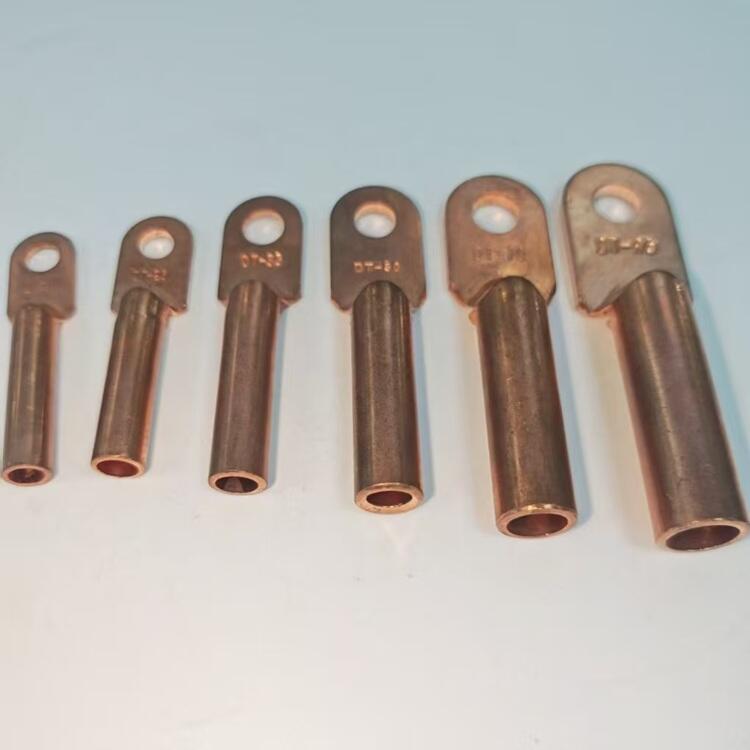
The ability to make secure electrical connections of various types is a useful skill. Wires that come loose can create big problems short circuits, which can be risky. That’s why it’s critical to take extra care in how you wire terminal blocks. Terminal blocks are nifty little connectors that help you to wire up your projects. They help keep you moving and ensure all your electricity flows well. We’re going to discuss in this edition, some useful tips on how to make sure those connections stay both tight and safe. We’ll also teach you what to look out for when buying terminal blocks in bulk so that you get top quality for your projects, directly from Xinchuang.
Best Practices for Secure Wiring on Terminal Blocks
There are a few best practices you should follow to ensure your terminal block wiring remains safe. Step one is to always begin with the right tools. A good screw driver is very important to get your terminal blocks nice and TIGHT without stripping! Make sure that the screws you use are the right size, as a tool that doesn’t fit perfectly can result in loose connections. And, make sure you always have the appropriate gauge of wire for whatever job it is that you are doing. If the wire is too thin, it cannot carry enough current to overheat. Alternatively, if the wire is too thick you are not likely to be able to connect it.
Secondly, ensure the wires are stripped to the proper length. Now don’t strip too much because extra wire can touch other stuff and do a short. It not only feels good to just cut a small bit off the end, but it keeps your shape tidy. It also might be smart to twist the stranded wire a bit first before putting it in the terminal block. This makes the connection at this area of the phone snugger and less likely to slip out.
Also, be certain that when you connect the wires, they are completely seated in the terminal block before tightening down those screws. If they are not snugly connected, this will result in a bad connection. You should always be your aim not to over-tightening, while you guarantee to tighten ward screws well. This can ruin the terminal block and wires. One more thing you should remember to do is see if everything's still connected. After you’ve set everything up, give them a little tug and see if they hold tight.
When it comes to electrical systems, remember: safety first! There’s also an environmental aspect, depending where you live it may even mean purchasing safety certified products. When it comes to wiring terminal blocks, you would also do well reading the product manual for any applications specific instructions. Then, if you maintain these good practices getting solid connections established you will avoid many problems down the road.
Terminal Block Quality and What Wholesalers Need to Know
When you are a wholesale buyer of terminal blocks, the focus should be on quality. The materials terminal blocks are made of can differ widely. Blocks should be made of durable material like plastic or metal. These allow them to remain unaffected by ambient temperatures and environmental conditions. The choice of a proper material is crucial for avoiding problems later on.
Just keep in mind that a manufacturer’s reputation says much about the quality of their terminal blocks. Firms such as Xinchuang have staked their reputation on making dependable products. Always check out product reviews and ratings when buying in bulk. Customers who have used the items would occasionally share their experiences, this will help you make a decision.
The second point to consider is the terminal block certifications. Search for products that comply with industry standards. These certifications indicate the blocks have been tested for safety and performance. Feel free to inquire about the packer’s testing and QC measures. A quality supplier will be more than willing to tell you the means by which they guarantee the safety and effectiveness of their products.
Also, consider what the warranty or return policy is for terminal blocks. A good warranty suggests the company believes in its products and stands behind their durability. This can save you some money in the event that you buy a block that doesn’t work out. Make sure you can get replacements or returns in the event of issues.
Finally, look at the price & ensure it is related to the quality. While it’s perfectly reasonable to want to watch your budget, buying the cheapest could become costly down the track if the blocks don’t last. When you use quality terminal block connector from a trusted brand such as Xinchuang, you’ll be saving yourself headaches and hassles down the road (in this case preventing faulty connections and shorts). When you find a reliable push in connector, you do your part to make sure every electrical project runs safely without interruptions and hazards.
How Proper Wiring of Terminal Blocks Can Improve Performance
This is extremely important when you are connecting wiring terminal blocks so everything can work as it should. A terminal block is perhaps best described as a bolt of lightning’s stopping point for electrical wires. When we hook up these wires right, it helps machines and gadgets work the way they should. If we want to maximize performance of terminal blocks, how we wire them matters. Use the right wires from the get-go First always use the correct wire type. Various devices require different types of wire sizes. If the wire is not thick enough, it can become quite hot and be a fire hazard. It might not slide in properly if it’s too thick. That’s why selecting wires that fit both the size and capacity of the terminal block you’re using is important.
Second, the way we strip the wires also matters. When we strip of the plastic coating, we should expose just a small amount of wire. And if we shave it way down, it can become a messy electrical short circuit. A tidy link is always preferable. Twist the strands together after you strip them if you’re working with stranded wire. Twisting helps the wires to hold together and provides a more solid connection. We should also ensure that the wire is inserted into terminals in right direction. Some terminals feature specific shapes that dictate how the wire is inserted. If it’s not placed properly, it can become dislodged and create problems down the road. Finally, the tools you use are crucial. A good crimping tool will ensure that the wires are secure and won’t come loose easily. Here at Xinchuang, we follow the rigorous process of using professional tools to keep every connection tight and prevent any errors.
What is the Common Cause for Errors in Terminal Block Wiring?
Even experienced electricians can err when connecting terminal blocks. Some of the most prevalent errors can result in connections that are less than secure and may even cause a short circuit. In one case, for instance, a frequent mistake is to not turn the screws tight enough when you are attaching the wires. The link can break if the screw is loose, making the device stop working. Be sure you always use the right amount of force when tightening screws. Too much pressure can cause harm to the terminal, but a low level of force can result in an insufficient connection.
Mismatching wires and terminals also makes the list of mistakes. Each terminal block works best with certain wire types. Connecting with the wrong size or type can result in connections that fail. This one is occasionally overlooked, particularly when pressed for time. And non-folding wires are nuts to sort out afterward. Sloppy wiring can also make it more difficult to troubleshoot problems if something stops working down the line. At Xinchuang, we suggest labeling to keep the organization clear.
Failure to look for frayed wires is another mistake. If a wire is broken, it’s the electrical equivalent of drilling a hole in that water hose. The electricity can escape, posing a possible risk of shock or fire. Always examine wires before making connections. And another mistake that is committed by many is not adhering to appropriate wiring diagrams. Diagrams illustrate the proper way to connect all of it. Disregarding them can cause major problems. By spending that extra bit of effort to avoid these most frequently encountered mistakes, you can be confident your terminal block wiring will work great and be safe.
How to Effectively Troubleshoot Terminal Blocks for Wiring Issues
Problems do arise with terminal blocks, however, and it is good to know how to troubleshoot them when they come up. First turn to check for loose connections. Starting with a device that will not turn on or is operating erratically, it’s always wise to verify whether the wires are properly inserted in the wire terminal block. Try wiggling the wires to see if you can pull them out. If they do, consider tightening them. And use brain power and the right tool to tighten screws without breaking them, as we talked about earlier.
If it all looks good, next you'll want to inspect for broken wires. Use your search for cracks or frays. Discolored bright colored wires or charred spots can indicate a wire might be bad. If you see any problems, replace the wire. Small things are great at making a fuss, and what better time to get something sorted than before it grows into a bigger mess.
If you’ve inspected wires and terminals and the problem still hasn’t been solved, get out Mom’s sewing basket multimeter. With this useful device you can read voltage and resistance, and it will give you the information showing if there is a fault in the circuit. When utilizing the multimeter, refer to the manual instruction in order to make it work. For instance, turning it to measure continuity can help you determine whether or not the electricity is flowing through wired properly.
In Xinchuang, we advise troubleshooting gradually. Don’t rush it, make sure you are validating everything correctly. Still can’t make the parallel bend? Feel free to consult a pro if you’re really struggling. The usually can see things that might not be evident. With these two steps you can troubleshoot and repair terminal blocks so everything is running properly!