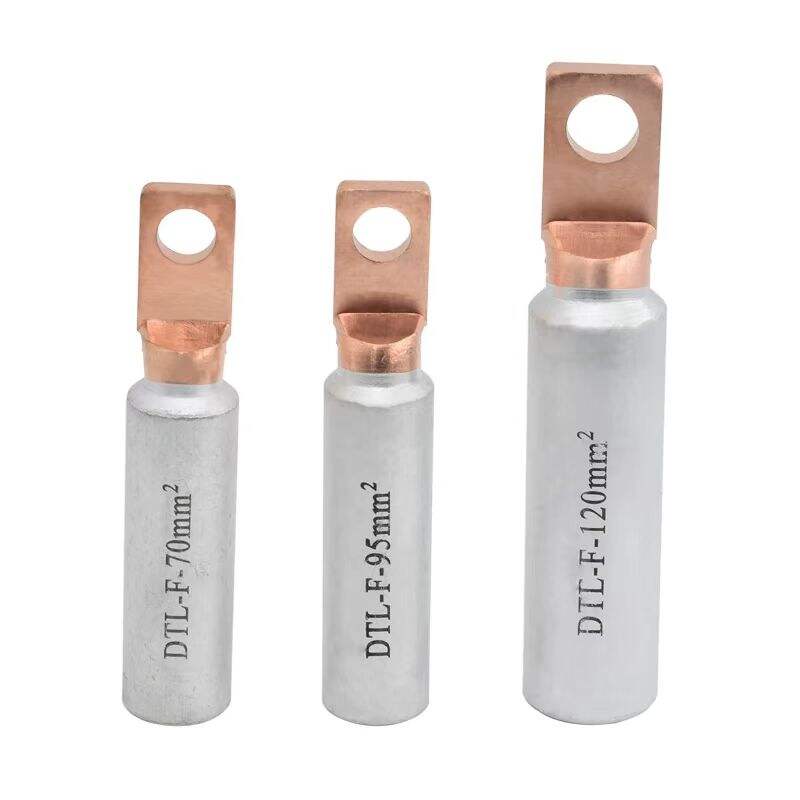
1. Power Industry
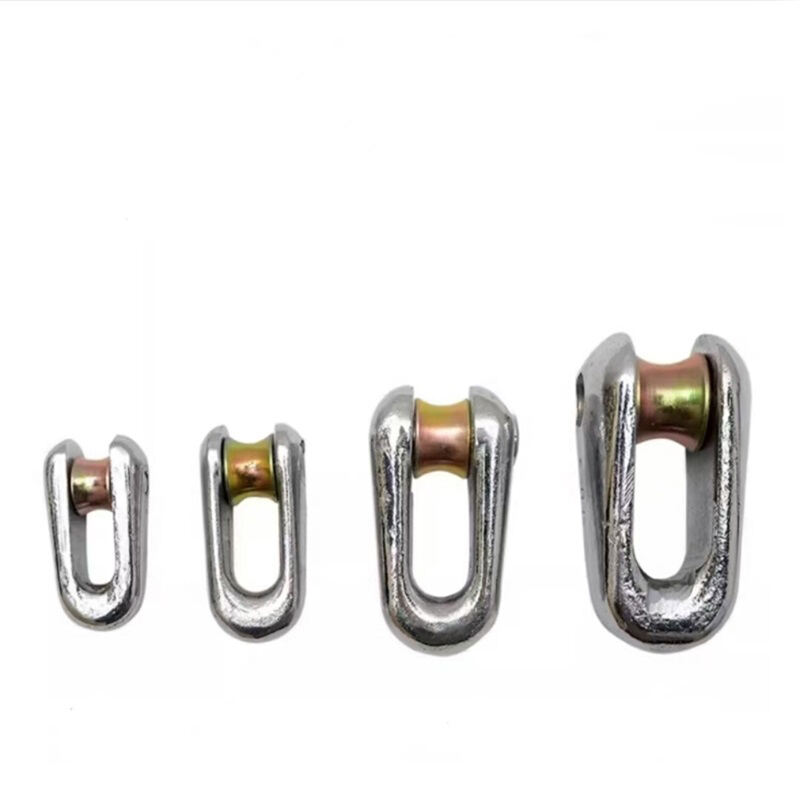
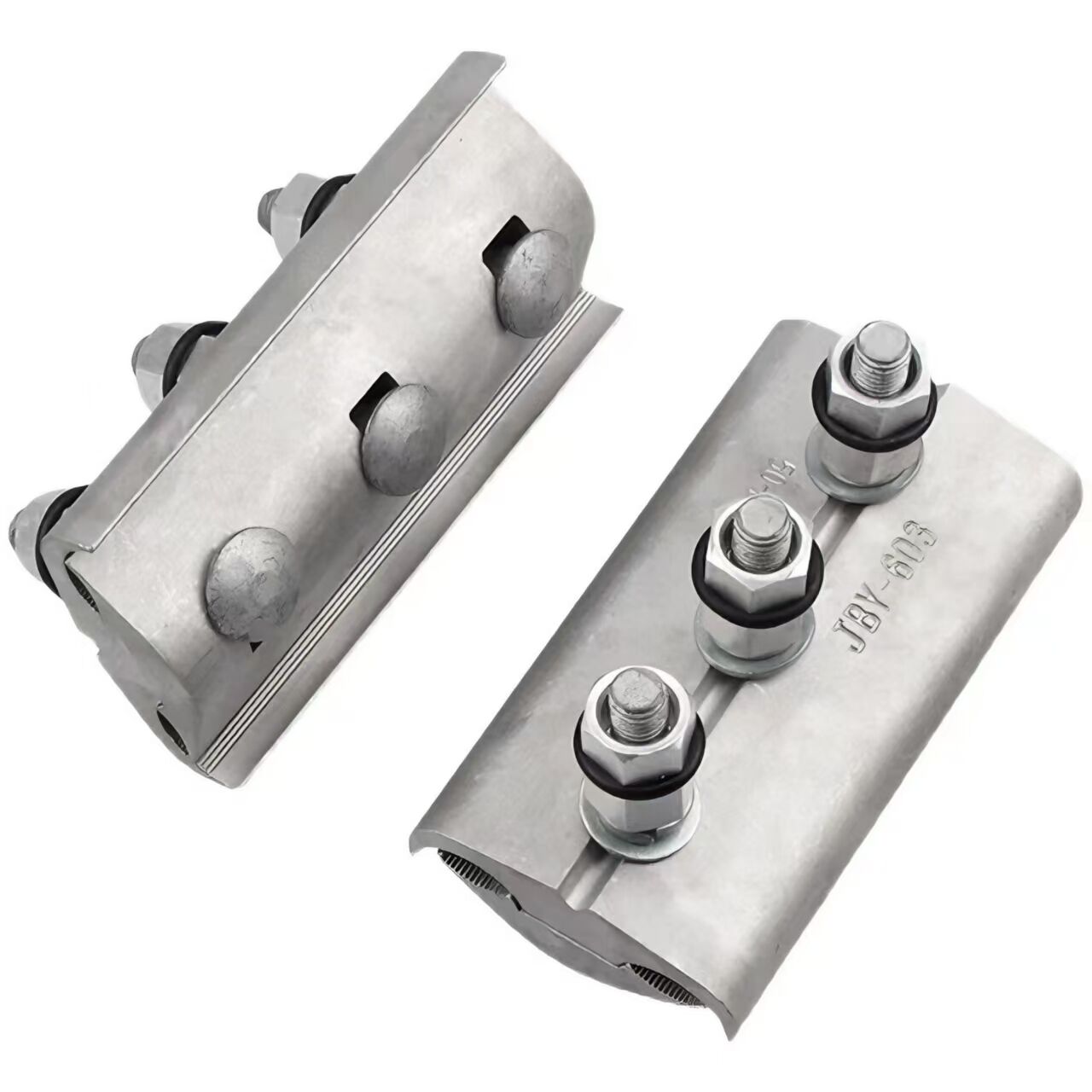
In power transmission and substation line construction, it is used to connect traction steel cables with conductor or cable pulling socks, enabling smooth passage of conductors or cables through stringing pulleys—particularly in large-angle or high-drop stringing sections. This ensures the safety and efficiency of stringing operations by preventing conductor damage from sharp bends or excessive tension, making it indispensable for complex overhead line projects.
2. Construction and Bridge Engineering
Applied to connect structural components such as beams, columns, and trusses in buildings, as well as bridge piers, beam segments, and deck panels in bridge projects. By enhancing the rigidity and strength of connection points, it improves the overall bending resistance, wind resistance, and seismic performance of structures. For example, in long-span bridges or high-rise buildings, it mitigates stress concentrations at joints, ensuring structural stability under dynamic loads like wind or earthquakes.
3. Other Fields
Cranes and Cable Cars: Connects traction steel cables in lifting equipment, allowing cables to adapt to turns and bends during movement while preventing kinking and abrasion. This is critical for maintaining the reliability of crane hoisting systems or cable car traction mechanisms, reducing maintenance costs from cable wear.
Aerospace Engineering: Used to connect structural components like wings and fuselages, enhancing the structural stability and bending resistance of aircraft. By absorbing aerodynamic loads and mechanical stresses during flight, it contributes to the durability and safety of aerospace vehicles, particularly in high-maneuverability aircraft or space launch systems.
 E-mail:
 EN
EN